Financial performance analytics helps investors and financial institutions understand how well their money and investments are performing. Instead of relying only on guesswork, they use data and financial metrics to measure profits, risks, and overall growth.
Analyzing portfolio performance, investment performance, and asset performance is important because it helps investors make smarter financial decisions. It allows them to see which investments are doing well and which ones may need improvement or adjustment.
Financial performance analytics also helps track returns over time, manage risks, and optimize investment strategies. By using data and analytics tools, investors can build stronger and more balanced financial portfolios.
In this article, we will explain what financial performance analytics is, why it is important, the key metrics used to measure investment success, and how portfolio, investment, and asset analysis helps improve financial decision-making.
What is Financial Performance Analytics?
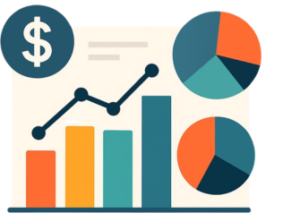
Financial performance analytics is the process of using data, financial metrics, and analytical tools to evaluate how investments and financial assets are performing. It helps investors understand whether their financial strategies are generating good returns or not.
This type of analysis uses different financial indicators and tools to measure profits, risks, and overall investment performance. By analyzing this information, investors can identify trends and make better decisions about where to invest their money.
In modern finance, analytics plays a very important role because markets are complex and constantly changing. Data-driven insights help investors react quickly and manage their portfolios more effectively.
Unlike basic financial reporting, which only shows past financial results, performance analytics goes deeper. It provides insights, comparisons, and forecasts that help investors improve their future investment strategies.
Why Financial Performance Analytics Matters
Financial performance analytics is important because it helps investors make decisions based on real data rather than assumptions. By analyzing financial information, investors can clearly understand how their investments are performing.
It also helps identify profitable investments as well as underperforming ones. This allows investors to adjust their strategies and focus on opportunities that offer better returns.
Another important benefit is improved risk management. By analyzing performance data, investors can detect potential risks early and create a more balanced portfolio.
Financial analytics also supports long-term financial growth by helping investors track progress toward their financial goals. Additionally, it provides transparency for financial advisors and institutions when managing client portfolios.
Key Metrics Used in Investment Performance Analytics
Investment performance analytics uses several important financial metrics to measure how well investments are performing. These metrics help investors compare different investments and understand both returns and risks.
Return on Investment (ROI)
Return on Investment, or ROI, measures how profitable an investment is. It compares the amount of money gained from an investment with the amount originally invested.
Risk-Adjusted Returns
Risk-adjusted returns measure how much profit an investment generates compared to the level of risk involved. This helps investors understand whether the potential return justifies the risk taken.
Alpha and Beta
Alpha and beta are metrics used to compare a portfolio’s performance with the overall market. Alpha shows how much an investment outperforms or underperforms the market, while beta measures how sensitive the investment is to market changes.
Sharpe Ratio
The Sharpe Ratio measures how much return an investor receives for the level of risk taken. A higher Sharpe Ratio generally indicates a better risk-to-reward balance.
Volatility
Volatility shows how much the price of an investment moves up or down over time. High volatility means prices change frequently, while low volatility indicates more stable investments.
Portfolio Performance Analytics

Portfolio performance analytics focuses on analyzing the overall performance of a group of investments. Since most investors hold multiple assets, analyzing the entire portfolio helps provide a clearer picture of financial performance.
What is Portfolio Performance Analytics?
Portfolio performance analytics evaluates how different investments within a portfolio perform together. It helps investors understand whether their portfolio strategy is working effectively.
Portfolio Tracking and Benchmarking
This process involves comparing the portfolio’s performance with market benchmarks or indexes. Benchmarking helps investors determine whether their investments are outperforming or lagging behind the market.
Asset Allocation Analysis
Asset allocation analysis examines how investments are distributed across different asset types such as stocks, bonds, and real estate. Proper allocation helps reduce risk and improve overall returns.
Portfolio Optimization
Portfolio optimization uses financial data and analytics to adjust investments in a way that maximizes returns while controlling risk.
Investment Performance Analytics

Investment performance analytics focuses on analyzing the results of individual investments.
Evaluating Individual Investments
Investors analyze the performance of specific assets such as stocks, bonds, or mutual funds to determine whether they are meeting expected financial goals.
Time-Weighted vs Money-Weighted Returns
These are two methods used to measure investment performance over time. Time-weighted returns focus on market performance, while money-weighted returns consider the timing and amount of investments made.
Risk Analysis in Investments
Risk analysis helps investors understand the potential risks associated with different investments and choose options that match their risk tolerance.
Long-Term Investment Performance Tracking
By reviewing historical data, investors can evaluate how investments perform over long periods and determine whether they provide stable and consistent returns.
Asset Performance Analytics
Asset performance analytics focuses on measuring the performance and value growth of different financial assets.
Understanding Asset Performance
This involves tracking how assets such as stocks, real estate, commodities, or bonds perform over time.
Asset Utilization and Value Growth
Analytics helps measure how effectively assets generate income or increase in value.
Asset Risk Monitoring
Monitoring asset risk helps investors identify financial exposure and market volatility that may affect asset value.
Asset Diversification Insights
Asset analytics also helps investors maintain a diversified portfolio, which reduces overall financial risk.
Tools Used for Financial Performance Analytics
Several tools and technologies help investors analyze financial performance more effectively.
Financial analytics platforms provide advanced tools for tracking investments and analyzing financial data.
Portfolio management software helps investors monitor multiple investments and evaluate portfolio performance.
Data visualization tools and dashboards make financial data easier to understand by presenting it in charts and graphs.
Artificial intelligence and machine learning are also becoming important in financial analysis because they can identify patterns and predict future investment trends.
Benefits of Using Financial Performance Analytics
Financial performance analytics provides many benefits for investors and financial professionals.
It helps improve investment decision-making by providing accurate data and insights.
It also supports better portfolio diversification, which reduces financial risk.
Another key benefit is accurate performance tracking, allowing investors to monitor the progress of their financial goals.
By identifying potential risks early, analytics helps investors protect their investments.
Overall, it supports stronger long-term wealth management strategies.
Challenges in Financial Performance Analysis
Despite its benefits, financial performance analysis can also face several challenges.
One common issue is data accuracy and quality, as incorrect data can lead to poor investment decisions.
Market volatility can also make performance analysis more difficult because financial markets change frequently.
Another challenge is the complexity of financial metrics, which may require specialized knowledge to interpret correctly.
In many cases, investors also need advanced analytical tools and software to perform detailed financial analysis.
Future Trends in Financial and Investment Analytics
Financial analytics is constantly evolving as new technologies emerge.
Artificial intelligence is increasingly being used to automate financial analysis and identify investment opportunities.
Predictive analytics is helping investors forecast future market trends based on historical data.
Real-time portfolio monitoring is also becoming more common, allowing investors to track investments instantly.
Additionally, the use of big data is transforming financial analysis by providing deeper insights into market behavior and investment performance.
Conclusion
Financial performance analytics plays a crucial role in modern investment management. By analyzing financial data, investors can better understand how their portfolios, investments, and assets are performing.
Tracking and evaluating financial performance helps investors make smarter decisions, manage risks, and improve long-term financial strategies.
As financial markets continue to evolve, using analytics tools and data-driven insights will become even more important for achieving strong and sustainable financial growth.
Frequently Asked Questions (FAQs)
What is financial performance analytics?
Financial performance analytics is the process of analyzing financial data to understand how well investments, portfolios, and assets are performing. It uses metrics and analytical tools to measure returns, risks, and overall financial growth.
Why is financial performance analytics important for investors?
Financial performance analytics helps investors make better decisions by providing clear insights into investment results. It allows them to track profits, manage risks, and adjust their strategies to improve long-term financial outcomes.
What is portfolio performance analytics?
Portfolio performance analytics focuses on analyzing the performance of a group of investments within a portfolio. It helps investors evaluate how different assets work together and whether the portfolio is achieving its financial goals.
What is investment performance analytics?
Investment performance analytics evaluates the results of individual investments such as stocks, bonds, or funds. It helps investors understand which investments are generating strong returns and which ones may need improvement.
What is asset performance analytics?
Asset performance analytics measures how specific financial assets perform over time. This includes analyzing factors like value growth, income generation, and risk levels for assets such as stocks, real estate, or commodities.
What metrics are commonly used in investment performance analytics?
Some common metrics used in investment performance analytics include Return on Investment (ROI), Sharpe Ratio, Alpha, Beta, risk-adjusted returns, and volatility. These metrics help investors measure both returns and risks.
What tools are used for financial performance analytics?
Financial performance analytics often uses portfolio management software, financial analytics platforms, data visualization dashboards, and advanced technologies like artificial intelligence and machine learning.
How does financial analytics help manage investment risk?
Financial analytics helps identify potential risks by analyzing market trends, asset volatility, and historical performance data. This allows investors to adjust their portfolios and reduce potential financial losses.
What is the difference between financial reporting and financial performance analytics?
Financial reporting mainly shows past financial results, such as profits and losses. Financial performance analytics goes further by analyzing the data to provide insights, comparisons, and strategies for improving future financial performance.
How can financial performance analytics improve long-term investment strategies?
By tracking performance data over time, investors can identify successful strategies and avoid poor investment choices. This helps build a stronger, more balanced portfolio that supports long-term financial growth.