Today, many businesses depend on applications and digital systems to provide services, manage operations, and connect with customers. Websites, mobile apps, and online platforms must work smoothly to keep users satisfied. If an app is slow or frequently crashes, users may stop using it.
This is why monitoring application performance is very important. By tracking how apps work and identifying technical problems early, businesses can improve user experience and ensure their systems run efficiently.
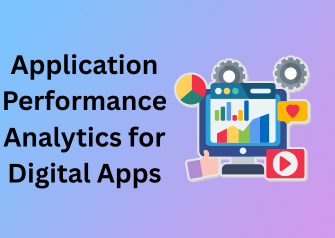
Application performance analytics helps organizations analyze how applications perform in real time. It is a specialized area within broader performance analytics that focuses on monitoring system behavior, application speed, and technical reliability.
It allows developers and businesses to detect issues, improve speed, and maintain reliable digital systems. In this article, we will explore how application performance analytics works for web apps, mobile apps, and other digital platforms.
What Is Application Performance Analytics?
Application performance analytics refers to the process of collecting and analyzing data to understand how well an application is functioning. It uses monitoring tools and analytics platforms to track how apps behave when users interact with them.
These tools measure important metrics such as application response time, system uptime, error rates, and user activity. By analyzing this data, developers can identify performance issues and improve the overall functionality of the application.
Application performance analytics is especially useful for developers, DevOps teams, and product managers because it helps them maintain reliable systems and deliver better digital experiences.
Why Application Performance Analytics Matters


Applications that run slowly or crash often can negatively affect user experience. When users face performance issues, they may leave the app or switch to competitors. This can impact a company’s reputation and revenue.
By using application performance analytics, businesses can identify problems early and optimize their systems to work more efficiently.
Some key benefits include:
- Faster application performance
- Better user experience
- Reduced system downtime
- Improved decision-making based on real data
- Higher customer satisfaction
Overall, performance analytics helps organizations keep their applications stable and efficient.
Types of Application Performance Analytics
Application performance analytics can be applied in different areas depending on the type of system being monitored. These analytics help track performance for software applications, mobile apps, and entire digital platforms.
App Performance Analytics

App performance analytics focuses on monitoring the performance of software applications. It tracks metrics such as response time, server requests, and application errors.
By analyzing these metrics, developers can understand how their applications behave under different conditions. This helps them improve app speed, fix technical problems, and deliver better functionality to users.
Mobile App Performance Analytics
Mobile app performance analytics focuses specifically on applications used on smartphones and tablets. Since mobile users expect fast and reliable apps, monitoring performance is very important.
Developers analyze metrics such as:
- App loading time
- Crash rates
- User engagement levels
- Compatibility across different devices
These insights help developers improve app stability and ensure a smooth experience for users. Better performance often leads to higher user retention and satisfaction.
Digital System Performance Analytics
Digital system performance analytics monitors the performance of entire digital environments. This includes servers, APIs, databases, and cloud infrastructure.
By analyzing system performance, organizations can ensure that different applications and services work together smoothly. This type of analytics helps prevent system failures and keeps digital platforms running efficiently.
Key Metrics in Application Performance Analytics
To evaluate application performance, several key metrics are monitored.
Response time measures how quickly an application responds to user requests. Faster response times improve user experience.
Application uptime indicates how often the system is available and functioning without interruptions.
Error rate shows how frequently problems occur within the application.
Request throughput measures how many requests the system can handle within a certain period.
Server performance evaluates how well the server supports application processes.
User interaction metrics analyze how users engage with the application and identify areas where performance improvements are needed.
These metrics help developers identify technical issues and improve overall system performance.
Tools Used for Application Performance Analytics
Many organizations use specialized tools to monitor and analyze application performance.
Some commonly used tools include:
- Google Analytics
- New Relic
- Datadog
- Dynatrace
- AppDynamics
These tools collect performance data and provide insights into how applications behave. They also help detect performance issues, monitor system health, and improve application reliability.
Best Practices for Improving Application Performance
Improving application performance requires continuous monitoring and optimization.
Some best practices include:
- Writing clean and optimized code
- Monitoring application performance regularly
- Reducing server response times
- Using caching techniques to speed up data access
- Performing regular performance testing
By following these practices, developers can ensure that applications remain efficient and reliable.
Application Performance Analytics vs Data Analytics
Although application performance analytics and data analytics both involve analyzing data, they serve different purposes.
Application performance analytics focuses on improving system speed, reliability, and technical performance. It mainly uses system metrics and performance logs.
On the other hand, data analytics focuses on analyzing business data to identify trends and support decision-making. It typically analyzes customer data, sales data, and market information.
Developers and DevOps teams often use application performance analytics, while business analysts and managers rely more on data analytics.
Challenges in Application Performance Analytics
While application performance analytics is very useful, it also comes with certain challenges.
One challenge is managing large volumes of performance data generated by modern applications. Another difficulty is identifying the exact cause of performance issues within complex systems.
Monitoring applications across different devices and platforms can also be challenging. In addition, integrating performance analytics tools with development workflows may require technical expertise.
Despite these challenges, effective monitoring systems help organizations manage application performance successfully.
The Future of Application Performance Analytics
Application performance analytics is evolving with new technologies. Modern systems are increasingly using artificial intelligence to detect performance issues automatically.
Real-time analytics allows developers to monitor applications instantly and respond to problems quickly. Automated performance optimization tools are also becoming more common.
Cloud-based monitoring platforms are making it easier for organizations to manage large digital systems efficiently.
These advancements will continue to improve how businesses monitor and optimize application performance.
Conclusion
Application performance analytics plays a crucial role in ensuring that digital applications run smoothly and efficiently. By monitoring apps, mobile apps, and digital systems, businesses can identify technical issues and improve user experience.
With the help of analytics tools and performance monitoring strategies, developers can optimize applications, reduce downtime, and deliver reliable digital services. As technology continues to evolve, application performance analytics will remain essential for maintaining high-performing digital platforms.
FAQ Section
What is application performance analytics?
Application performance analytics is the process of analyzing data to understand how well an application performs. It tracks metrics like response time, uptime, errors, and user interactions.
Why is application performance analytics important?
It helps businesses identify performance issues, improve application speed, reduce downtime, and provide a better user experience.
What is mobile app performance analytics?
Mobile app performance analytics focuses on monitoring mobile applications by tracking metrics such as app load time, crash rate, and user engagement.
What tools are used for application performance analytics?
Common tools include Google Analytics, New Relic, Datadog, Dynatrace, and AppDynamics. These tools help monitor application performance and detect issues.