Performance analytics helps organizations understand how well they are performing by using data. It collects information from different activities and turns it into useful insights that help improve results.
Today, many industries such as healthcare, sports, and education depend on analytics to measure progress and make better decisions. By analyzing performance data, organizations can identify problems, improve efficiency, and plan better strategies for the future.
This article explains how performance analytics is used in different sectors. It looks at how healthcare providers improve patient care, how sports teams track athlete performance, and how educational institutions measure student progress.
What is Performance Analytics?
Definition and Core Concept
Performance analytics is the process of collecting, measuring, and analyzing data to understand how well a person, team, or organization is performing. It helps identify what is working well and what needs improvement.
By studying this data, organizations can track productivity, evaluate outcomes, and find ways to improve performance over time.
Why Performance Analytics Matters
Performance analytics is important because it supports better decision-making based on real data rather than guesses. It helps organizations understand their strengths and weaknesses and focus on areas that need improvement.
With clear insights, businesses and institutions can improve productivity, manage resources better, and achieve their goals more effectively.
Key Metrics Used in Performance Analytics
Different industries use different metrics to measure performance. Common examples include productivity metrics that track output, outcome metrics that measure results, efficiency indicators that show how well resources are used, and engagement metrics that measure participation or behavior.
These metrics help organizations evaluate progress and make improvements.
Healthcare Performance Analytics

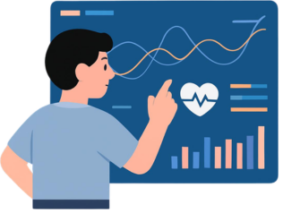
In the healthcare industry, performance analytics is used to improve patient care and hospital operations. By analyzing medical data, hospitals and clinics can monitor treatment quality, doctor performance, and overall healthcare services.
This helps healthcare providers deliver better care and manage their resources more efficiently.
Physician Performance Analytics
Physician performance analytics focuses on measuring how doctors perform in treating patients. It evaluates factors such as patient outcomes, treatment success rates, and patient satisfaction.
By analyzing this data, hospitals can support doctors in improving their clinical decisions and providing better patient care.
Provider Performance Analytics
Provider performance analytics looks at the performance of healthcare organizations such as hospitals, clinics, and medical teams. It helps measure service quality, operational efficiency, and patient safety.
These insights help healthcare providers reduce medical errors and improve the overall quality of healthcare services.
Benefits of Healthcare Performance Analytics
Using performance analytics in healthcare leads to better patient outcomes and improved hospital management. It also helps reduce unnecessary costs and improve operational efficiency by identifying areas where improvements are needed.
Sports Performance Analytics


Sports performance analytics uses data to measure and improve athletic performance. Teams and coaches collect performance data during training sessions and competitions to understand how athletes perform.
This information helps them design better training programs and improve overall team performance.
What is Sports Performance Analytics?
Sports performance analytics is the use of data and statistics to evaluate athletes’ physical performance, fitness levels, and game strategies. It helps teams understand how players perform in different situations.
Key Metrics in Sports Analytics
Sports analytics often tracks important performance metrics such as player speed, endurance, strength, and match statistics. It can also monitor injury risk and recovery progress.
These metrics help coaches make informed decisions about training and gameplay.
How Teams and Coaches Use Sports Analytics
Coaches and teams use analytics to improve training programs and develop effective game strategies. They also analyze opponent performance to prepare better for competitions.
Analytics also supports athlete development by identifying areas where players can improve.
Benefits for Athletes and Teams
Sports analytics helps athletes improve their performance and maintain better physical condition. It also helps prevent injuries and gives teams a competitive advantage during competitions.
Education and Student Performance Analytics
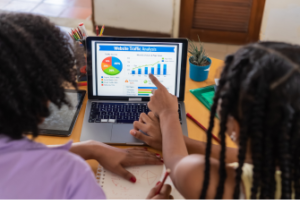
In education, performance analytics helps teachers and institutions understand how students are learning. By analyzing academic data, schools can identify patterns and support students more effectively.
This allows educators to improve teaching methods and help students achieve better learning outcomes.
What is Student Performance Analytics?
Student performance analytics is the process of using academic data to track students’ progress and learning behavior. It helps educators understand how well students are performing in their studies.
Metrics Used in Student Performance Analytics
Educational institutions track metrics such as test scores, grades, attendance, and class participation. These indicators help measure student progress and identify learning gaps.
How Educators Use Analytics
Teachers use analytics to identify students who may need extra support. It also helps them personalize learning experiences and adjust teaching strategies to meet student needs.
Benefits for Students and Institutions
Performance analytics helps improve student academic performance and increase engagement in learning. It also supports better educational planning for schools and universities.
Comparing Performance Analytics Across Industries
Although healthcare, sports, and education are very different fields, they all use performance analytics to measure progress and improve outcomes. Each industry collects and analyzes data to understand performance and make better decisions.
However, the metrics and goals vary depending on the industry. Healthcare focuses on patient outcomes, sports focuses on athletic performance, and education focuses on learning progress.
Despite these differences, performance analytics plays an important role in improving results across all sectors.
Technologies Powering Performance Analytics
Modern technologies play a major role in performance analytics. Tools such as artificial intelligence and machine learning help analyze large amounts of data quickly.
Data visualization dashboards make it easier to understand complex data through charts and reports. Cloud analytics platforms allow organizations to store and analyze data efficiently, while wearable devices and tracking technologies help collect real-time performance data.
Challenges in Performance Analytics
Even though performance analytics provides many benefits, organizations may face some challenges when implementing it.
These challenges include protecting data privacy, ensuring data accuracy, managing implementation costs, and training employees to use analytics tools effectively.
Overcoming these challenges is important to fully benefit from performance analytics.
Future of Performance Analytics in Different Industries
The future of performance analytics is expected to become even more advanced with the use of artificial intelligence and predictive analytics. Organizations will be able to predict future outcomes and make better decisions.
Real-time performance monitoring and personalized insights will also become more common. As technology continues to develop, performance analytics will be adopted by more industries.
Conclusion
Performance analytics has become an essential tool for many industries. In healthcare, it helps improve patient care and hospital efficiency. In sports, it supports athlete development and better game strategies. In education, it helps track student progress and improve learning outcomes.
By using data effectively, organizations and individuals can make smarter decisions and achieve better results. As technology continues to evolve, performance analytics will play an even bigger role in shaping the future of different industries.
FAQ
What is performance analytics?
Performance analytics is the process of collecting and analyzing data to measure productivity, efficiency, and outcomes for individuals or organizations.
What is physician performance analytics?
Physician performance analytics measures doctors’ productivity, treatment effectiveness, and patient outcomes to improve the quality of healthcare services.
How is sports performance analytics used?
Sports performance analytics uses data from training and competitions to evaluate athlete performance, improve strategies, and enhance team results.
What is student performance analytics?
Student performance analytics analyzes academic data such as grades, attendance, and participation to measure learning progress and support better teaching methods.
Why is performance analytics important across industries?
Performance analytics helps organizations make data-driven decisions, improve efficiency, identify problems, and achieve better results.