Data analytics is the process of collecting, organizing, and analyzing data to find useful insights and make better decisions. In simple terms, it helps turn raw information into meaningful understanding.
So, what is data analytics and why does it matter today? In a world driven by technology, data is everywhere-from social media activity to online shopping habits. Data analytics helps businesses and individuals make sense of this data to improve performance, predict trends, and solve problems more effectively.
Today, companies use data analytics to understand customer behavior, improve marketing strategies, and increase profits. At the same time, individuals use it in everyday life whether it’s tracking fitness goals, managing finances, or getting personalized recommendations online.
This guide covers the basics of data analytics, including its definition, key aspects, importance, and benefits, giving you a complete overview without going too deep into technical details.
What Is Data Analytics?
Data analytics is the process of examining data sets to draw conclusions, identify patterns, and support decision-making. It involves using tools and techniques to turn raw data into actionable insights.
To better understand this, let’s break down what are data and analytics:
- Data refers to raw facts and figures (numbers, text, images, etc.)
- Analytics is the process of analyzing that data to find meaning
Difference Between Data and Analytics
- Data = raw, unprocessed information
- Analytics = the method used to interpret and understand that data
Real-World Example
When you watch shows on Netflix, it recommends content based on your viewing history. This is data analytics in action analyzing your behavior to suggest what you might like next.
What Are Data and Analytics?

To fully understand data analytics, it’s important to look at its two main components:
What Is Data?
Data is any piece of information collected for reference or analysis. It can include numbers, text, images, videos, or even user behavior online.
What Is Analytics?
Analytics is the process of studying and interpreting data to uncover patterns, trends, and insights that can help in decision-making.
How They Work Together
Data and analytics work hand in hand. Without data, there’s nothing to analyze. Without analytics, data remains meaningless.
Simple Analogy
Think of data as raw ingredients and analytics as cooking. Just like ingredients need to be prepared to make a meal, data needs to be analyzed to become useful information.
Key Aspects of Data Analytics
Understanding the aspects of data analytics helps you see how the entire process works. Here’s a simple overview:
Data Collection
Gathering data from various sources such as websites, apps, surveys, or databases.
Data Processing
Cleaning and organizing the collected data to make it usable and accurate.
Data Analysis
Examining the data to identify patterns, trends, and insights.
Data Visualization
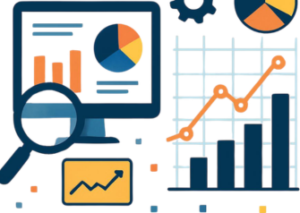
Presenting data in visual formats like charts and graphs to make it easier to understand.
These steps work together to transform raw data into valuable insights.
Importance of Data Analytics
The importance of data analytics has grown rapidly in today’s digital world. It plays a key role in helping organizations and individuals make smarter decisions.
Business Decision-Making
Companies rely on data analytics to make informed decisions rather than guessing, reducing risks and improving outcomes.
Customer Understanding
Businesses can analyze customer behavior to understand preferences and deliver better products or services.
Growth and Efficiency
Data analytics helps identify areas of improvement, optimize operations, and increase overall efficiency.
Real-Life Examples
- Marketing: Targeting the right audience with personalized ads
- Healthcare: Improving patient care through data insights
- Finance: Detecting fraud and managing risks effectively
Benefits of Data Analytics
There are many benefits of data analytics that make it essential in today’s world:
Better Decision-Making

Data-driven insights help individuals and businesses make smarter and faster decisions.
Improved Efficiency
Processes become more streamlined by identifying what works and what doesn’t.
Cost Reduction
Organizations can reduce unnecessary expenses by optimizing operations.
Competitive Advantage
Businesses using data analytics can stay ahead of competitors by identifying trends early.
Personalization
From Netflix to online shopping, data analytics enables personalized experiences for users.
How Data Analytics Is Used in Real Life
Data analytics is everywhere. Here are some common real-life applications:
- E-commerce: Recommending products based on browsing and purchase history
- Healthcare: Analyzing patient data to improve diagnosis and treatment
- Finance: Detecting unusual transactions to prevent fraud
- Marketing: Running targeted advertising campaigns based on user behavior
Who Should Learn Data Analytics?
Data analytics is a valuable skill for many people:
- Students: To build a strong and future-proof career
- Business Owners: To make data-driven decisions and grow their business
- Marketers: To understand customer behavior and improve campaigns
- Career Switchers: To enter a high-demand and well-paying field
Future of Data Analytics
The future of data analytics looks extremely promising.
Growing Demand
Companies across all industries are looking for professionals who can analyze data and provide insights.
Role of AI and Automation
Artificial intelligence and automation are making data analytics faster, smarter, and more powerful.
Why It’s a Valuable Skill
Learning data analytics opens up career opportunities and helps individuals stay relevant in a data-driven world.
In simple terms, data analytics is all about turning raw data into meaningful insights that help in decision-making. From understanding customer behavior to improving business performance, its role is more important than ever.
The importance and benefits of data analytics make it a must-have skill in today’s digital age. Whether you’re a student, professional, or business owner, understanding data analytics can give you a significant advantage.
If you want to go deeper, you can explore topics like data analytics tools, techniques, and career paths to build a strong foundation in this field.