IT performance analytics helps businesses check how well their systems are working. It uses data to find problems and improve performance.
High performance analytics is important because it can handle large and complex systems quickly. It gives fast results and helps businesses make better decisions.
Predictive VDI performance analytics is useful in virtual desktop environments. It helps predict issues before they happen, so users don’t face slow systems or errors.
In this article, you will learn how to improve systems, predict problems, and scale IT performance easily.
What is IT Performance Analytics?
IT performance analytics means monitoring and analyzing IT systems to keep them running smoothly.
Key parts include:
- Data collection – gathering system information
- Performance monitoring – checking speed and usage
- Analytics and reporting – understanding and sharing results
Businesses use it today to improve efficiency, reduce errors, and make better decisions.
Understanding High Performance Analytics
High performance analytics means analyzing large amounts of data very fast.
Difference from traditional analytics:
- Faster processing
- Works in real-time
- Handles bigger data
Main features:
- Real-time data processing
- Scalability (handles growth easily)
- High speed and accuracy
Benefits:
- Quick decision-making
- Better system performance
- Less downtime
High Performance Computing in IT Analytics
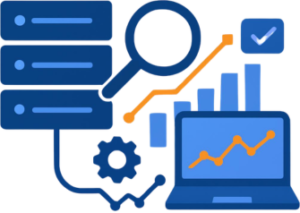
High Performance Computing (HPC) uses powerful computers to process large data quickly.
Role:
- Handles big datasets
- Solves complex problems fast
Use cases:
- Cloud computing
- Big data analysis
- AI and machine learning
What is Predictive VDI Performance Analytics?
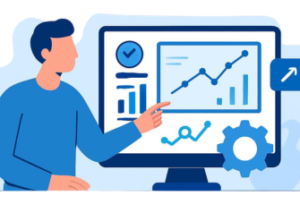
Predictive VDI performance analytics uses past data to predict future system performance in virtual desktops.
Why it matters:
- Keeps virtual systems running smoothly
- Prevents issues before they happen
How it works:
- Studies past data
- Finds patterns
- Predicts future problems
Benefits of Predictive VDI Performance Analytics
- Finds problems early
- Improves user experience
- Uses resources efficiently
- Reduces downtime and failures
Key Technologies Behind Predictive Analytics
- Machine Learning (ML) – learns from data
- Artificial Intelligence (AI) – makes smart decisions
- Big Data platforms – manage large data
- Cloud tools – provide flexible and scalable solutions
How High Performance Analytics and Predictive Systems Work Together
High performance analytics provides speed, while predictive analytics provides future insights.
Simple process:
Data collection → Processing → Prediction → Optimization
Business benefits:
- Lower costs
- Better efficiency
- Easy growth (scalability)
Use Cases Across Industries
- IT & Cloud – improve system performance
- Healthcare – analyze and predict patient data
- Finance – detect fraud and manage risk
- E-commerce – understand customer behavior
Challenges in Implementing IT Performance Analytics
- Expensive setup
- Data privacy issues
- Difficult system integration
- Lack of skilled experts
Best Practices for Effective Implementation
- Set clear goals
- Use scalable systems
- Use AI-based tools
- Monitor systems regularly
Future Trends in High Performance Analytics
- More AI automation
- Use of edge computing
- Real-time predictions
- Smarter virtual systems
Conclusion
High performance analytics helps businesses manage IT systems better and faster.
Predictive VDI performance analytics helps prevent problems before they occur.
Together, they improve efficiency, reduce downtime, and support business growth.
The future of IT is based on smart, data-driven systems.
FAQs
What is high performance analytics?
It is a way to analyze large data quickly to improve system performance and decision-making.
How does predictive VDI performance analytics work?
It uses past data, finds patterns, and predicts future problems so they can be fixed early.
Why is IT performance analytics important?
It helps businesses run systems smoothly, avoid failures, and improve efficiency.
What industries benefit from predictive analytics?
IT, healthcare, finance, and e-commerce use it to improve performance and make better decisions.