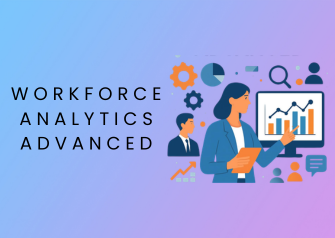
Workforce analytics refers to the use of data, statistical models, and technology to analyze and improve workforce performance. Advanced topics like predictive workforce analytics, AI in workforce analytics, and real-time workforce analytics help organizations forecast trends, automate decisions, and act instantly.
What Are Advanced Topics in Workforce Analytics?
Advanced workforce analytics includes predictive, AI-driven, and real-time analysis techniques that help organizations forecast workforce trends and make proactive decisions instead of relying only on past data.
Key Types of Workforce Analytics
- Descriptive analytics (what happened)
- Diagnostic analytics (why it happened)
- Predictive workforce analytics (what will happen)
- Prescriptive analytics (what to do next)
Predictive Workforce Analytics Explained


What is Predictive Workforce Analytics?
Predictive workforce analytics uses historical employee data, machine learning, and statistical models to forecast future workforce outcomes such as employee turnover, hiring needs, and performance trends.
How Predictive Workforce Analytics Works (Step-by-Step)
- Collect workforce data (HR, payroll, performance)
- Analyze historical patterns
- Apply machine learning models
- Generate future predictions
- Support decision-making
Examples of Predictive Workforce Analytics
- Predicting employee attrition
- Forecasting hiring demand
- Identifying high-performing employees
AI in Workforce Analytics

What is AI in Workforce Analytics?
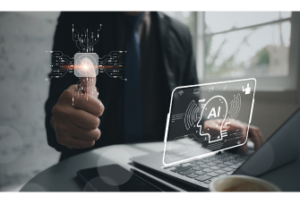
AI in workforce analytics refers to the use of artificial intelligence technologies like machine learning and natural language processing to automate HR processes, analyze employee data, and generate actionable insights.
Key Uses of AI in Workforce Analytics
- Resume screening and hiring automation
- Employee sentiment analysis
- Performance prediction
- Chatbots for HR support
Benefits of AI in Workforce Analytics
- Faster decision-making
- Reduced hiring bias
- Improved employee experience
- Scalable HR operations
Real-Time Workforce Analytics
What is Real-Time Workforce Analytics?
Real-time workforce analytics is the process of analyzing workforce data instantly as it is generated, allowing organizations to make immediate decisions based on current information.
Benefits of Real-Time Workforce Analytics
- Instant insights
- Faster decision-making
- Improved productivity
- Better workforce management
Real-Time vs Traditional Workforce Analytics
| Feature | Real-Time Analytics | Traditional Analytics |
|---|---|---|
| Data Speed | Instant | Delayed |
| Decision Making | Immediate | Reactive |
| Accuracy | High (live data) | Based on past data |
Workforce Analytics Case Studies
Reducing Employee Turnover
Problem: High attrition rates
Solution: Predictive workforce analytics models
Result: Reduced turnover by up to 25%
Improving Hiring Efficiency
Problem: Slow recruitment process
Solution: AI in workforce analytics
Result: Faster hiring and better candidates
Real-Time Performance Monitoring
Problem: Lack of performance visibility
Solution: Real-time workforce analytics dashboards
Result: Improved productivity and faster decisions
Benefits of Advanced Workforce Analytics
Advanced workforce analytics helps organizations:
- Improve workforce planning
- Increase employee productivity
- Make data-driven decisions
- Reduce operational costs
- Gain competitive advantage
Challenges in Workforce Analytics
Common challenges in workforce analytics include:
- Poor data quality
- Integration issues
- High implementation costs
- Lack of skilled professionals
Future of Workforce Analytics
The future of workforce analytics includes:
- AI-driven automation
- Predictive and prescriptive analytics
- Real-time decision-making systems
- Ethical AI and data governance
Conclusion
Workforce analytics is evolving into a powerful strategic tool. Advanced topics like predictive workforce analytics, AI in workforce analytics, and real-time workforce analytics enable organizations to make smarter, faster, and more effective decisions.
FAQs
What is workforce analytics?
Workforce analytics is the process of collecting and analyzing employee data to improve business performance, optimize workforce planning, and support strategic decision-making.
What is predictive workforce analytics?
Predictive workforce analytics uses historical data and machine learning to forecast future workforce trends such as employee turnover, hiring needs, and performance outcomes.
How is AI used in workforce analytics?
AI is used in workforce analytics to automate HR tasks, analyze large datasets, improve hiring decisions, and provide real-time insights into employee performance and engagement.
What is real-time workforce analytics?
Real-time workforce analytics analyzes live employee data instantly, enabling organizations to make immediate decisions and respond quickly to workforce changes.
Why is workforce analytics important?
Workforce analytics helps organizations improve productivity, reduce costs, make better decisions, and gain a competitive advantage through data-driven insights.