Workforce analytics implementation is transforming how organizations manage their people, make decisions, and drive business growth. In today’s competitive environment, relying on intuition alone is no longer enough, companies need data-driven insights to optimize hiring, improve employee performance, and reduce turnover.
By effectively implementing workforce analytics, businesses can uncover patterns, predict future trends, and make smarter HR decisions. However, successful implementation requires more than just tools—it involves strategy, data integration, and a cultural shift within the organization.
In this comprehensive guide, you’ll learn how to implement workforce analytics step-by-step, explore a practical framework, understand common challenges, and address critical data privacy issues.
What is Workforce Analytics Implementation?
Workforce analytics implementation refers to the process of collecting, analyzing, and using employee-related data to improve business outcomes. It involves combining HR data with analytical tools to gain actionable insights into workforce performance, engagement, and productivity.
Unlike traditional HR reporting, which focuses on historical data, workforce analytics goes deeper. It uses advanced techniques such as predictive analytics to forecast trends like employee attrition or hiring success.
Key Benefits of Workforce Analytics Implementation
- Better hiring decisions
- Reduced employee turnover
- Improved workforce productivity
- Enhanced employee engagement
- Data-driven strategic planning
For example, a company can use workforce analytics to identify why employees are leaving and take proactive steps to improve retention.
How to Implement Workforce Analytics (Step-by-Step)
Implementing workforce analytics may seem complex, but breaking it down into clear steps makes the process manageable and effective.
Step 1: Define Business Objectives
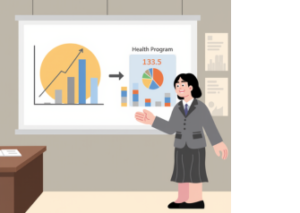
The first step in workforce analytics implementation is to align your analytics goals with business objectives. Without clear goals, your efforts may lack direction.
 The first step in workforce analytics implementation is to align your analytics goals with business objectives. Without clear goals, your efforts may lack direction.
Ask questions like:
- Do you want to reduce employee turnover?
- Improve hiring efficiency?
- Increase employee productivity?
For instance, if your goal is to reduce turnover, your analytics strategy should focus on identifying patterns behind employee exits.
Step 2: Identify Key Workforce Metrics
Once your goals are clear, identify the key metrics that matter most.
Some important workforce metrics include:
- Employee turnover rate
- Time to hire
- Employee engagement score
- Absenteeism rate
- Productivity metrics
These metrics act as the foundation of your analytics strategy and help measure progress over time.
Step 3: Collect and Integrate Data
Data is the backbone of workforce analytics implementation. Organizations typically collect data from multiple sources, such as:
- HR Information Systems (HRIS)
- Applicant Tracking Systems (ATS)
- Payroll systems
- Employee surveys
However, collecting data is not enough. You must ensure that the data is accurate, consistent, and integrated into a centralized system for analysis.
Step 4: Choose the Right Tools
Selecting the right tools is crucial for successful implementation. Depending on your organization’s size and needs, you may use:
- Workforce analytics software
- Business Intelligence (BI) tools
- Data visualization platforms
The right tools help you transform raw data into meaningful insights through dashboards and reports.
Step 5: Analyze Data and Generate Insights

This is where the real value of workforce analytics implementation comes into play.
There are three main types of analytics:
- Descriptive analytics – What happened?
- Predictive analytics – What might happen?
- Prescriptive analytics – What should be done?
For example, predictive analytics can help identify employees who are likely to leave, allowing HR teams to take preventive action.
Step 6: Build a Data-Driven Culture
Even the best analytics tools won’t work if your team doesn’t embrace data-driven decision-making.
To build a data-driven culture:
- Train HR teams in analytics
- Encourage data-based decisions
- Promote transparency and accountability
Leadership support plays a critical role in driving this cultural shift.
Step 7: Monitor and Optimize
Workforce analytics implementation is not a one-time project—it’s an ongoing process.
Regularly:
- Track KPIs
- Review performance metrics
- Adjust strategies based on insights
Continuous improvement ensures that your analytics efforts remain relevant and effective.
Workforce Analytics Framework for Businesses
A structured framework helps organizations implement workforce analytics more efficiently.
1. Data Collection Layer
This layer focuses on gathering data from various sources such as HR systems, surveys, and external benchmarks.
2. Data Processing & Management
In this stage, data is cleaned, organized, and stored securely. High-quality data is essential for accurate analysis.
3. Analytics Layer
This is where data is analyzed using tools and techniques to generate insights. Dashboards and reports are commonly used here.
4. Decision-Making Layer
Insights generated from analytics are used to make informed HR and business decisions.
5. Action & Optimization Layer
Finally, organizations implement strategies based on insights and continuously optimize them for better results.
This framework ensures a systematic approach to workforce analytics implementation, making it easier to scale and improve over time.
Common Challenges in Workforce Analytics Implementation
Despite its benefits, organizations often face several challenges during implementation.
1. Poor Data Quality
Incomplete or inconsistent data can lead to inaccurate insights and poor decision-making.
2. Lack of Skilled Professionals
Many HR teams lack the necessary analytical skills to interpret data effectively.
3. Resistance to Change
Employees and managers may resist adopting data-driven approaches, especially in traditional organizations.
4. Integration Issues
Combining data from multiple systems can be complex and time-consuming.
5. High Implementation Costs
Investing in tools, training, and infrastructure can be expensive, especially for small businesses.
6. Misinterpretation of Data
Incorrect analysis can lead to wrong conclusions and negatively impact business decisions.
Data Privacy Issues in HR Analytics
Data privacy is a critical aspect of workforce analytics implementation. Since HR data contains sensitive employee information, organizations must handle it carefully.
Why Data Privacy Matters
Employee data includes personal details, salary information, performance records, and more. Mishandling this data can lead to serious consequences, including legal penalties and loss of trust.
Key Risks
- Data breaches
- Unauthorized access
- Misuse of employee data
- Ethical concerns around employee monitoring
Compliance and Regulations
Organizations must comply with data protection laws such as:
- GDPR (for global companies)
- Local data protection regulations
Failure to comply can result in heavy fines and reputational damage.
Best Practices for Data Privacy
- Use data anonymization techniques
- Implement role-based access controls
- Ensure secure data storage
- Be transparent with employees about data usage
By prioritizing data privacy, organizations can build trust and ensure ethical use of analytics.
Best Practices for Successful Workforce Analytics Implementation
To maximize the impact of workforce analytics, follow these best practices:
- Start small and scale gradually
- Focus on business outcomes
- Use clear and measurable KPIs
- Invest in employee training
- Ensure leadership support
- Continuously monitor and improve
These practices help organizations achieve sustainable success with workforce analytics.
Future Trends in Workforce Analytics Implementation
The future of workforce analytics is evolving rapidly, driven by technology and innovation.
AI and Machine Learning
AI-powered tools can analyze large datasets and provide deeper insights, enabling better decision-making.
Real-Time Analytics
Organizations are moving toward real-time data analysis for faster and more accurate decisions.
Predictive Workforce Planning
Predictive models help organizations anticipate workforce needs and plan accordingly.
Employee Experience Analytics
Companies are focusing more on employee satisfaction and engagement to improve overall performance.
FAQs
What is workforce analytics implementation?
Workforce analytics implementation is the process of using data and analytics tools to improve HR decisions, employee performance, and overall business outcomes.
How do you implement workforce analytics?
You can implement workforce analytics by defining goals, identifying key metrics, collecting data, using analytics tools, and continuously optimizing strategies.
What are the main challenges in workforce analytics?
Common challenges include poor data quality, lack of skilled professionals, resistance to change, and integration issues.
Why is data privacy important in HR analytics?
Data privacy is important because HR data contains sensitive employee information that must be protected from breaches and misuse.
What tools are used in workforce analytics implementation?
Organizations use tools like HRIS systems, BI platforms, and workforce analytics software to analyze and visualize data.
Conclusion
Workforce analytics implementation is a powerful approach that enables organizations to make smarter, data-driven decisions. By following a structured process, using the right framework, and addressing challenges such as data privacy, businesses can unlock valuable insights and improve workforce performance.
As technology continues to evolve, companies that invest in workforce analytics today will gain a competitive advantage in the future. Whether you’re just starting or looking to enhance your existing strategy, now is the time to embrace workforce analytics and transform your HR practices.